


Bangladesh earns foreign currency in several ways, but four channels are especially important: selling goods abroad, receiving money sent home by overseas workers, exporting services and attracting foreign investment. International loans and other financial inflows can also bring foreign currency into the country, although they are not the same as income earned by selling goods or services.
These inflows help Bangladesh pay for imported fuel, machinery, food, raw materials, medicine and other essentials. They also support international payments, business activity and the country’s ability to manage pressure on its foreign exchange reserves.
The scale of each source matters. Bangladesh Bank’s balance-of-payments data show that merchandise exports earned about $43.86 billion in the fiscal year 2025–26, while workers’ remittances reached approximately $35.59 billion. Both figures are reported for the July–June fiscal year, and the 2025–26 figures are provisional.
Understanding where this money comes from and where it goes helps explain why foreign exchange is so important to Bangladesh’s economy.
1. Exports: Selling Bangladeshi products to the world
Exports are one of Bangladesh’s main sources of foreign currency. When a Bangladeshi company sells a product to a buyer abroad, the payment can bring foreign currency into the country’s banking system.
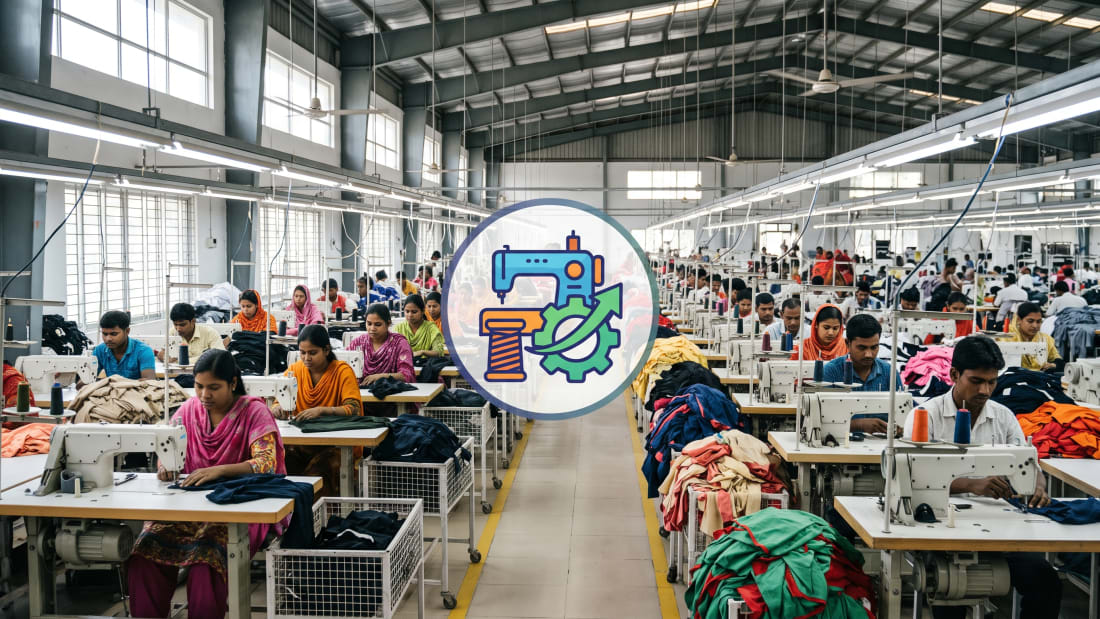
Ready-made garments are by far the most important part of this trade. International brands and retailers buy T-shirts, trousers, sweaters, shirts and other clothing produced in Bangladesh. Bangladesh Bank recorded about $38.97 billion in ready-made garment exports in FY2025–26, out of total merchandise exports of roughly $43.86 billion.
That concentration makes the garment industry central to the country’s export earnings. It also creates a vulnerability: when major markets reduce orders, consumers spend less or international retailers shift suppliers, Bangladesh can feel the effects across factories, transport businesses and their supply chains.
Beyond garments, Bangladesh exports products such as leather and leather goods, jute and jute products, frozen fish and seafood, agricultural products, pharmaceuticals, footwear and selected manufactured goods. These industries contribute to foreign exchange earnings, although their scale varies.
Exporters do not necessarily keep every dollar they receive as profit. They may need to pay for imported cotton, chemicals, machinery, fuel, packaging or other inputs. The amount that remains in the domestic economy depends partly on how much value is added locally and how much must be spent abroad.
This is why export diversification matters. Developing more competitive industries, moving into higher-value products and strengthening local supply chains could help Bangladesh earn more from each shipment and reduce its dependence on a single major sector.
2. Remittances: Money sent home by overseas workers
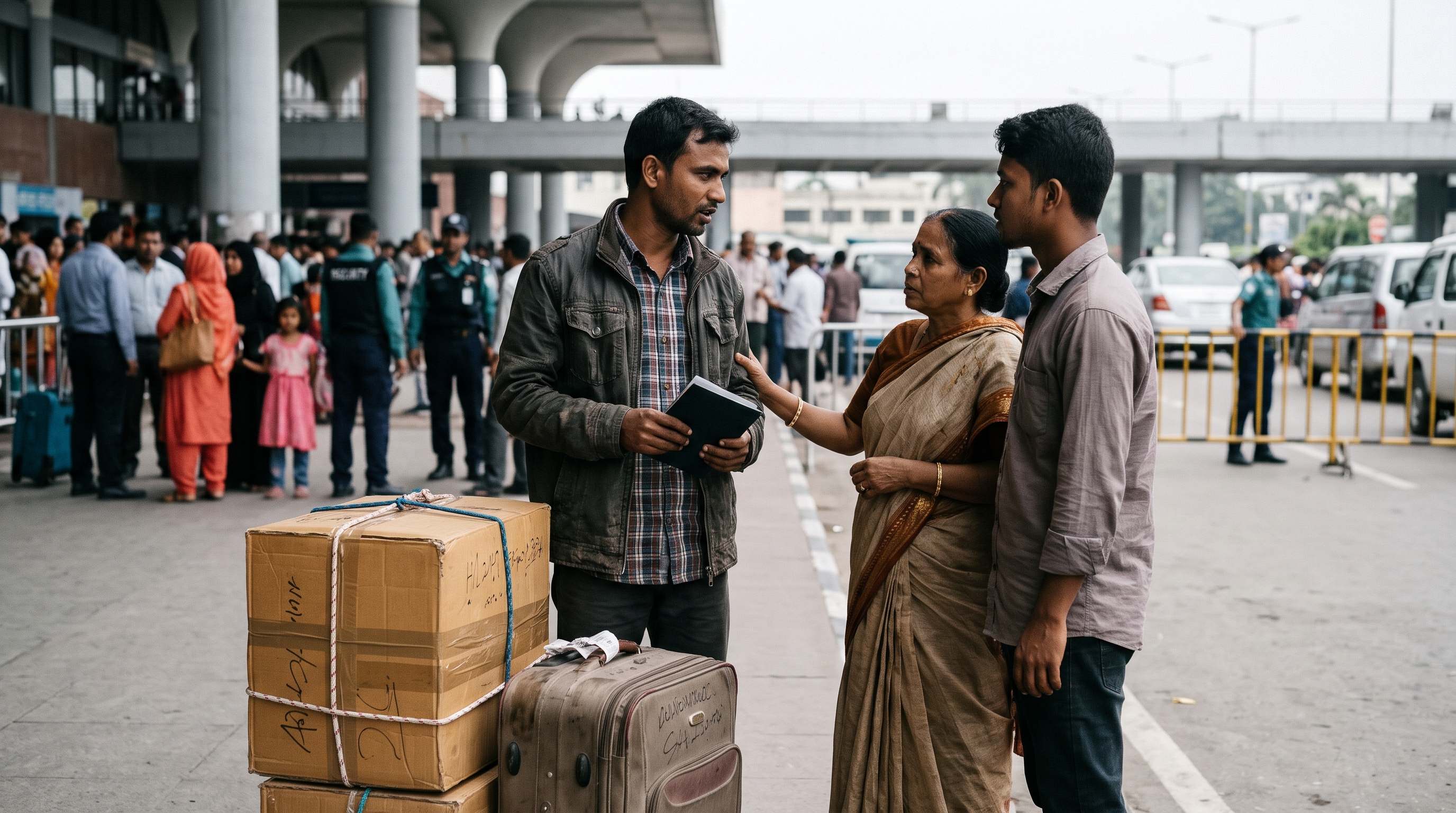
Remittances are another major source of foreign currency. They are transfers of money that migrants and other people living abroad send to families or recipients in Bangladesh.
Bangladeshis work in countries across the Middle East, Southeast Asia, Europe and North America. Their transfers help households pay for food, rent, education, healthcare, housing and other expenses. Some families also use remittances to save, buy land, improve homes or support small businesses.
Bangladesh Bank recorded approximately $35.59 billion in workers’ remittances during FY2025–26, up from around $30.33 billion in FY2024–25. The increase was about 17.3 per cent. These figures illustrate how significant overseas workers’ earnings have become for Bangladesh’s external finances.
Remittances differ from export revenue in an important way. An exporter receives payment for goods sold to a foreign customer; a family receives a transfer from someone earning money abroad. Both can bring foreign currency into Bangladesh, but they arise from different economic activities.
The route used to send money also matters. Transfers through banks and authorised financial service providers are recorded through formal channels and can contribute directly to measured remittance inflows. Informal transfers may be harder to capture in official statistics and can expose senders and recipients to additional risks.
Remittances are not a cost-free development strategy. Migrant workers may face recruitment fees, debt, difficult working conditions and separation from their families. A stronger system for safe migration, skills training and worker protection can help people benefit more from overseas employment.
3. Services: Earning from work rather than physical products
A country can earn foreign currency without shipping a physical product. It can sell services to customers, businesses or governments in other countries.
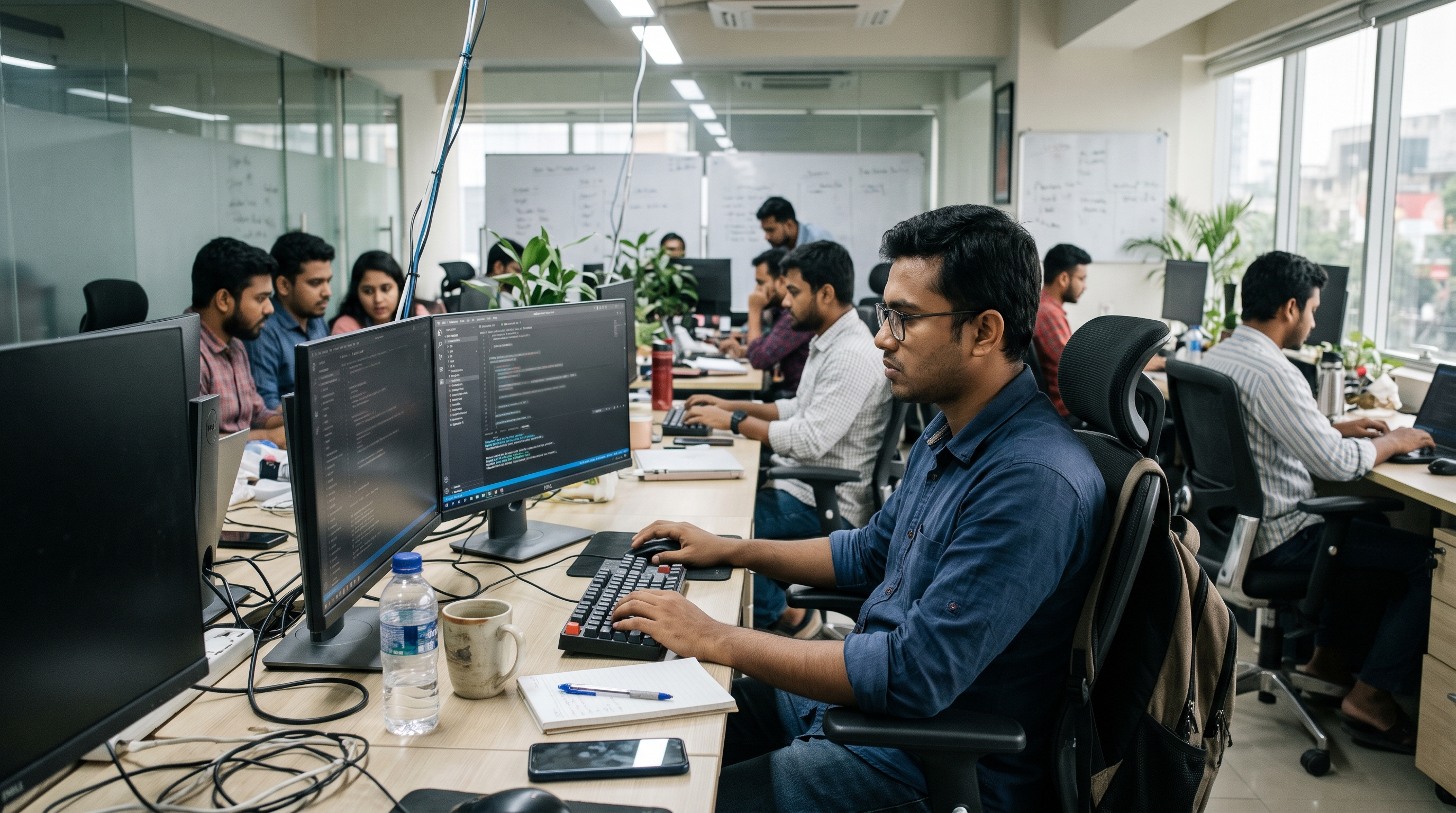
For Bangladesh, possible service-export activities include information technology and software work, business-process services, consulting, professional and technical work, transport and other services supplied to non-residents. Freelancers and companies may receive payments from overseas clients for digital work, although the scale of such activity should be measured using reliable official data rather than assumptions about the size of the online workforce.
Tourism and travel services can also generate foreign exchange when visitors from abroad spend money in Bangladesh. International education, healthcare and other services may contribute where non-residents purchase them locally.
However, gross service receipts are not the same as the country’s net earnings from services. Bangladesh Bank’s balance-of-payments figures show that service receipts were about $7.06 billion in FY2025–26, while service payments abroad were about $12.80 billion. That left a services deficit of approximately $5.74 billion.
The deficit means Bangladesh paid more for services from abroad than it received from selling services internationally. Payments can include items such as transport, insurance, travel and business services, depending on the transaction and how it is classified.
The opportunity is not simply to make more money from freelancing. Bangladesh can seek to expand reliable, higher-value service exports, improve digital infrastructure, develop specialist skills and make it easier for legitimate businesses to receive and document international payments. But growth in one visible area should not be confused with proof that the entire services account is in surplus.
4. Other sources: Investment, loans and financial inflows
Exports, remittances and service receipts are not the whole story. Foreign currency can also enter through investment, borrowing, aid and other cross-border financial transactions.
Foreign direct investment (FDI) occurs when foreign investors establish or expand a lasting business interest in Bangladesh. Investment can support factories, energy projects, telecommunications, financial services and other activities. It may bring new capital, equipment, technology and access to international markets.
Bangladesh Bank reported net FDI inflows of about $1.77 billion for calendar year 2025, up from approximately $1.27 billion in 2024. These are calendar-year figures, not fiscal-year totals. FDI is important, but its scale is much smaller than the country’s merchandise export earnings or remittances.
Investment can also involve reinvested earnings and loans between related companies, not only new cash transferred from abroad. Future profit payments and repayments may later create outflows, so investment should be assessed over time rather than treated as a permanent one-way gain.
Foreign loans and development assistance can provide foreign currency for infrastructure, energy, public programmes and other needs. Governments and companies may also borrow from international lenders or raise financing abroad. These inflows can help fund spending and meet external payment needs, but loans must be repaid, often with interest. Borrowing is financing, not export income.
Portfolio investment and other financial flows can also affect foreign exchange availability. Foreign investors may buy eligible financial assets, while banks and companies undertake cross-border borrowing or lending. Such flows can change direction quickly and should not be treated as stable substitutes for recurring export earnings or remittances.
These categories are recorded differently in the balance of payments. That distinction matters because a country can receive substantial financing in a given period while still facing pressure on its external accounts.
5. Why earning foreign currency is only half the story
Bangladesh needs foreign currency because it buys many goods and services from the rest of the world. These include fuel, industrial machinery, raw materials, chemicals, transport services and other imports needed by households and businesses.
When import payments exceed export receipts, the country has a trade deficit in goods. That deficit is not automatically a sign of economic failure: imports of machinery and productive inputs can support future growth. But a large or persistent gap can put pressure on foreign exchange availability, particularly if other inflows are weak.
The broader picture is captured by the balance of payments, which records transactions between residents of Bangladesh and the rest of the world. It includes trade in goods, services, income, transfers and financial flows. Remittances are recorded as transfers, while FDI and loans appear in financial-account categories.
Bangladesh Bank’s figures show that in FY2025–26 merchandise imports were about $71.14 billion, compared with exports of roughly $43.86 billion. The resulting goods trade deficit was approximately $27.29 billion. The services account also ran a deficit. Remittances and other flows therefore play a major role in helping the country meet its external payment needs.
Foreign exchange reserves provide another part of the picture. Reserves are assets held by the monetary authorities that can help support international payments and manage periods of external pressure. They are a stock measured at a point in time, not a source of new earnings by themselves. Reserves may rise or fall as foreign currency comes in, payments go out and valuation or other adjustments occur.
6. How Bangladesh can strengthen its foreign currency position
A more resilient foreign exchange position requires more than one successful sector. Several priorities stand out.
First, Bangladesh can diversify exports. Garments will likely remain central, but stronger performance in pharmaceuticals, leather goods, agro-processing, light engineering and other competitive industries could reduce reliance on one product group. The goal is not diversification for its own sake; new sectors need to meet international standards, deliver reliable quality and compete on price, skills or innovation.
Second, the country can improve the value added in exports. Local production of more inputs, better productivity, improved logistics and a shift toward higher-value products can increase the share of export revenue that supports domestic wages, suppliers and profits.
Third, safe overseas employment and formal remittance channels can help sustain remittance inflows. Training, recognition of qualifications, fair recruitment and protection from exploitation matter to workers and their families. Formal channels should be accessible and competitive so that people have practical reasons to use them.
Fourth, Bangladesh can build service exports through better connectivity, reliable electricity, digital skills, clear payment processes and trust in service quality. This requires evidence-based policy and business development rather than relying on optimistic claims about how much the sector already earns.
Finally, the country can work to attract productive investment while managing foreign borrowing carefully. Investors look at factors such as policy predictability, infrastructure, skills, governance, access to finance and the ability to repatriate returns under applicable rules. External debt should be assessed against repayment capacity and the economic benefits of the projects it finances.
The bigger picture
Bangladesh earns foreign currency by selling goods and services abroad, receiving remittances from its global workforce and attracting capital from international investors and lenders. These sources are connected, but they are not interchangeable: exports and services generate commercial receipts, remittances transfer workers’ earnings, investment finances business activity, and loans create repayment obligations.
The central challenge is to ensure that foreign currency inflows are broad-based, reliable and productive enough to cover the country’s external needs. A more diversified export base, stronger service industries, safe migration and well-managed investment can help Bangladesh build a more resilient economy.



Reader Discussion (0)
Join the Bangladeshist Community
Sign in with your Google account to post comments, reply to fellow readers, and engage in informed discussions.