


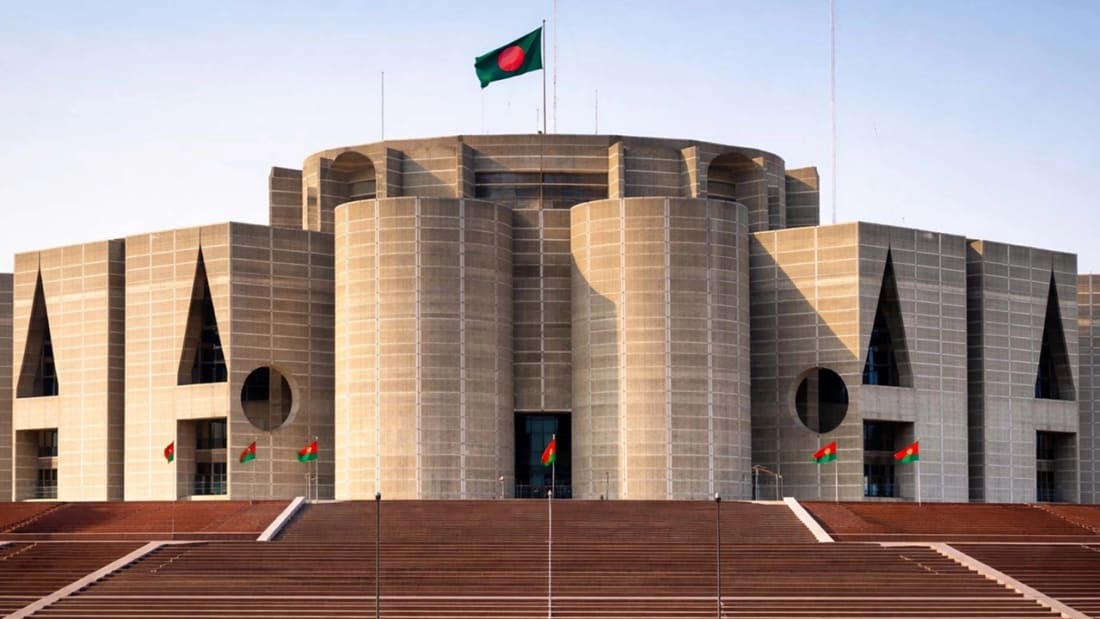
Streets across Dhaka and major inter-district transport arteries operated with typical weekday momentum on Thursday, as an unapproved nationwide lockdown called by the activity-banned Awami League failed to disrupt daily life or commercial activity.
From early morning, city public buses, auto-rickshaws, and private vehicles crowded key intersections from Uttara and Mirpur to Farmgate, Motijheel, and Old Dhaka. Office employees reported for work on time, schools and universities conducted regular classes, and banks and commercial centers opened their doors without hesitation, reflecting broad public desire to avoid economic paralysis.
At major bus terminals including Gabtoli, Mohakhali, and Sayedabad, ticket counters operated normally. Long-haul bus lines dispatched passenger coaches toward northern, western, and southern districts under standard schedules, reporting steady seat occupancy throughout the morning hours.
Security Measures on Highways and Key Intersections
While daily life carried on normally, authorities took no chances with public security. Extensive deployments of district police, Rapid Action Battalion teams, and Border Guard Bangladesh personnel maintained a vigilant presence at strategic gateways into the capital.
Checkpoints were established along the Dhaka to Chattogram highway near Kanchpur, the Dhaka to Mymensingh corridor at Tongi, and the Dhaka to Aricha route through Aminbazar. Law enforcement officers conducted spot inspections of suspicious vehicles while ensuring that regular public transport, agricultural supply trucks, and cargo carriers moved freely without harassment.
Senior police officials confirmed that quick-response teams and motorcycle patrols were stationed along commercial corridors to deter hit-and-run vandalism or attempts to block traffic. Outside of a few brief attempts by small groups to burn tires along rural feeder roads in outlying districts, no significant disruptions or clashes were reported across the country.
Railway and River Transport Operations Run on Time
The normalcy extended across the country’s broader transit network. At Kamalapur Railway Station in Dhaka, intercity and commuter trains departed on schedule for Chattogram, Sylhet, Rajshahi, and Khulna, with station officials reporting uninterrupted passenger boarding and normal platform security.
Similarly, passenger launches at Sadarghat river terminal carried travelers across southern riverine routes throughout the day. Launch operators noted that while passenger counts were slightly lighter than holiday peaks, cargo bookings for winter agricultural produce and wholesale goods remained steady, showing that freight movement between coastal districts and the capital continued without interruption.
Public Priority for Livelihoods Over Political Disruption
Interviews with commuters, street vendors, and transport workers across Dhaka highlighted a clear public reluctance to entertain political strikes that threaten daily earnings.
Shopkeepers in the bustling New Market and Karwan Bazar wholesale hubs noted that rising grocery prices and living expenses leave families with zero appetite for artificial business shutdowns. For informal day laborers, rickshaw pullers, and small retail workers, losing a day of earnings directly impacts food on the dinner table.
Business leaders from the Federation of Bangladesh Chambers of Commerce and Industry reiterated that economic stability and job security must take precedence over political agitation. Exporters noted that garment factories in Ashulia, Gazipur, and Narayanganj ran at full production capacity, ensuring that international shipment deadlines were met without costly factory delays.
A Measured Response from Authorities
Government officials stated that the peaceful atmosphere was the result of proactive law enforcement paired with widespread civic cooperation. Home Ministry spokespersons reaffirmed that while lawful political expression is respected, any organized attempt to intimidate ordinary citizens, extort shopkeepers, or damage public transport will meet with immediate legal consequences.
Regional business chambers praised the resilience of workers and small shop owners who kept local supply chains functioning smoothly. As evening rush-hour traffic built up across the city, transport associations confirmed that all overnight inter-district bus and train services would depart as scheduled. The peaceful progression of the day demonstrated that despite ongoing political tensions beneath the surface, ordinary citizens remain firmly committed to keeping the national economy moving forward.



Reader Discussion (0)
Join the Bangladeshist Community
Sign in with your Google account to post comments, reply to fellow readers, and engage in informed discussions.