


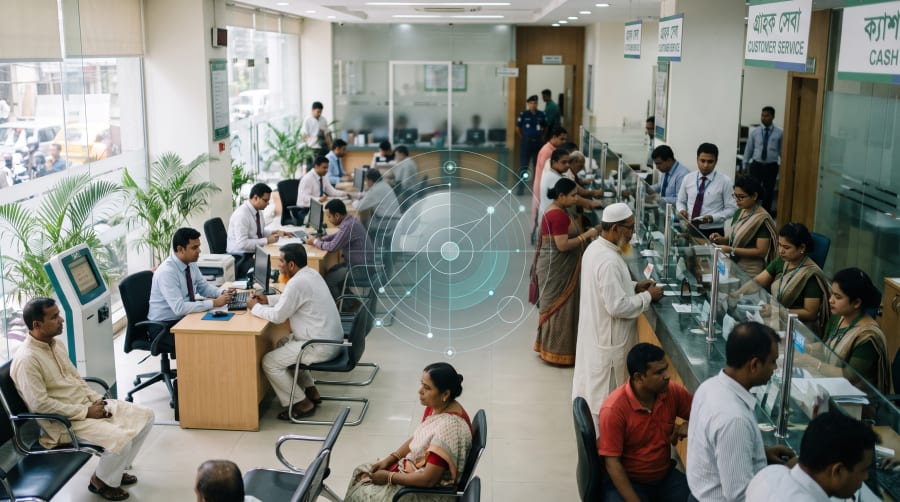
Banks are part of everyday life in International. People use them to save salaries, receive remittances, pay bills, transfer money and borrow for homes or businesses. Companies rely on banks to manage cash flow, pay suppliers, finance equipment and support trade. Governments also use the banking system to make payments and manage public finances.
Yet the basic idea behind banking is straightforward: banks accept money from depositors, provide payment services and lend to eligible borrowers. They earn income from lending and other services while managing the risks involved in handling money that customers may need to withdraw.
International’s banking system includes state-owned, private, specialised and foreign banks, operating within a framework overseen by International Bank, the country’s central bank. Understanding how deposits, loans, interest and regulation fit together helps explain why banks matter—and why a well-functioning banking sector is important for the wider economy.
1. What is a bank, and what does it do?
A bank is a financial institution that provides services for holding, moving and borrowing money. It connects people and organisations that have money available with others who need financing.
For example, a shop owner may deposit daily sales into a bank account. A manufacturer may borrow to buy machinery. A family may save part of its monthly income for education or emergencies. The bank provides services to each customer and helps money circulate through the economy.
Banks typically offer several types of services:
-
Deposits: Keeping money in current, savings or fixed-term accounts.
-
Payments and transfers: Moving money between people and organisations, including through cards, electronic transfers and other payment channels.
-
Loans and credit: Providing financing to individuals, businesses and other eligible borrowers.
-
Trade and foreign exchange services: Supporting imports, exports and international payments.
-
Other financial services: Depending on the bank, these may include remittance services, guarantees and cash-management facilities.
Banks are not the only providers of financial services in International. Mobile financial service providers, microfinance institutions, cooperatives and finance companies serve different needs under different rules. A mobile financial service account, for example, is not automatically the same thing as a bank deposit account. Knowing which institution holds the money—and what protections apply—is important.
2. Deposits: Where banks get much of their funding
A deposit is money a customer places with a bank. Deposits are central to banking because they provide a major source of funds that banks can use, alongside their capital and other permitted funding sources.
Different accounts serve different purposes.
Current accounts are commonly used by businesses and organisations that need to make frequent payments. Depending on the product, they may pay little or no interest.
Savings accounts are designed for people who want to keep money accessible while potentially earning interest or another form of return under the account’s terms.
Fixed-term deposits hold money for an agreed period. The bank sets the return and maturity conditions, and early withdrawal may involve restrictions or a reduced return.
Banks may also offer recurring or specialised deposit products. The terms vary by institution, so customers should check minimum balances, fees, withdrawal conditions, tax deductions and the method used to calculate returns.
Deposits are liabilities for a bank. This accounting term means the bank owes the customer the money under the account agreement. A deposit is not a gift to the bank, and it does not mean that every deposited taka remains physically stored in a separate place waiting for the customer.
Banks manage their funds across cash, balances with the central bank and other banks, loans, securities and other assets. They must maintain liquidity so they can meet withdrawals and payment obligations, while also managing the risks associated with lending and investment.
3. Lending: How money reaches households and businesses
Lending is one of the main ways banks channel funds into economic activity. A bank may provide a personal loan, a home loan, working capital for a business, financing for machinery or credit for agricultural and industrial activity.
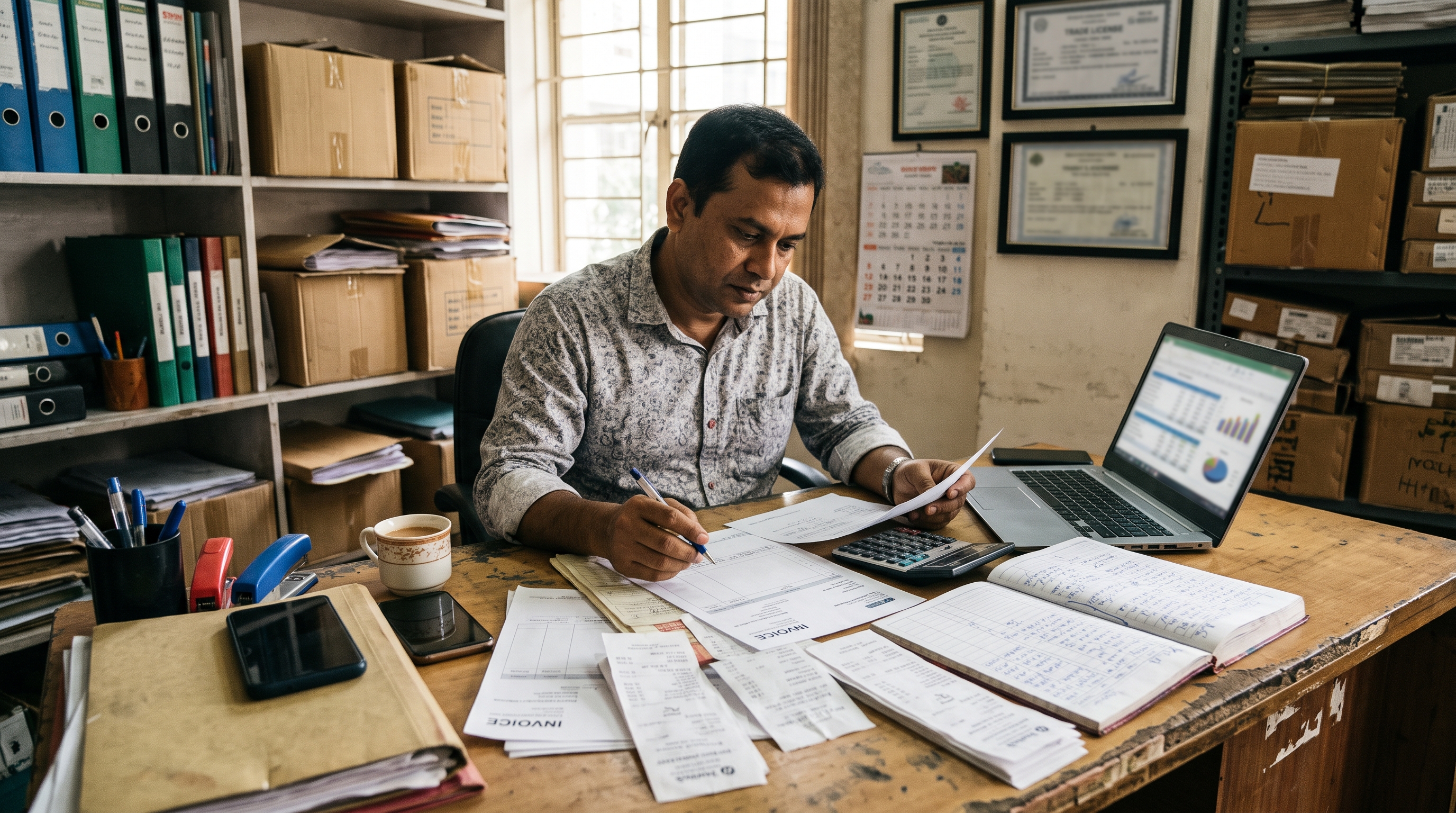
Before approving a loan, a bank generally assesses whether the applicant is likely to repay it. The assessment may consider income, existing debts, cash flow, credit history, business performance, collateral and the purpose of the borrowing. Requirements differ by loan type and lender.
Imagine a small clothing manufacturer that receives a large order but must buy fabric and pay workers before the buyer settles the invoice. A working-capital loan can help the business cover these costs and fulfil the order. If the business earns enough to repay the loan, the financing can support production, employment and future sales.
But lending involves risk. A borrower may lose income, a business may struggle or a project may fail. If repayments are missed, the bank may have to classify the loan as overdue or non-performing under the applicable rules, set aside provisions and pursue recovery through lawful processes.
When many borrowers fail to repay, the problem can spread beyond individual loans. Banks may become less willing or able to lend, depositors may lose confidence, and businesses that depend on credit may face difficulties. That is one reason sound credit assessment, responsible lending, transparent records and effective supervision matter.
Collateral can reduce some risks, but it does not guarantee repayment. Nor should a bank lend solely because a borrower has assets to pledge. A borrower’s ability to repay from reliable income or business cash flow remains important.
4. Interest: The price of borrowing and the return on saving
In conventional banking, interest is generally the price a borrower pays for using money over time and the return a depositor may receive for placing money with the bank.
The rate can depend on several factors, including the type and term of the loan or deposit, the borrower’s credit risk, the bank’s funding costs, market conditions, inflation expectations and monetary policy. A secured business loan and an unsecured personal loan may carry different rates because their risks and terms differ.
Consider a simple example. If someone borrows Tk 100,000 at an annual interest rate of 10 per cent, the interest for one year would be Tk 10,000 if the full principal remained outstanding for the entire year and the rate were applied simply. Actual loan payments can differ because of instalments, fees, compounding, changing balances or other contractual terms.
The same principle applies to savings, but the rate and calculation method may be different. A customer should compare the effective return after applicable fees and taxes, not just the headline rate.
The difference between what a bank earns on lending and what it pays on deposits is one component of its income. This is often discussed as the interest spread. Banks also earn fees and other income, while paying operating costs and absorbing losses from loans that are not repaid.
What does International Bank have to do with interest rates?
International Bank is the country’s central bank. It conducts monetary policy, supervises banks and helps maintain the stability of the financial system. Its policy-rate decisions influence the cost of short-term funds and can affect wider lending and deposit rates over time.
The effect is not automatic or identical across every bank. A change in the policy rate may pass through to market rates with a delay, and banks may respond differently depending on liquidity, competition, credit risk and their own funding needs.
Higher interest rates can make borrowing more expensive and may encourage saving, but they can also put pressure on households and businesses with debt. Lower rates can ease financing costs, although their impact depends on wider economic conditions. The central bank must consider inflation, economic activity, liquidity and financial stability when making policy decisions.
5. Conventional and Islamic banking in International
International has both conventional banks and Islamic banks. The two models differ in how they structure financial transactions and returns.
Conventional banking generally uses interest-based deposits and lending. Islamic banking operates according to Shariah principles and uses arrangements such as trade-based financing, leasing and profit-sharing structures, subject to the products offered and the applicable regulatory framework.
In Islamic banking, an account may be described as a deposit or investment account, but the contractual terms can differ from a conventional savings account. The method for calculating a return, the treatment of losses and the customer’s rights depend on the specific arrangement. A customer should read the product documents rather than assume that every account works in the same way.
Both models need sound governance, effective risk management, transparent customer information and compliance with applicable laws and regulations. The label attached to a product does not remove the need to understand its terms or the risks involved.
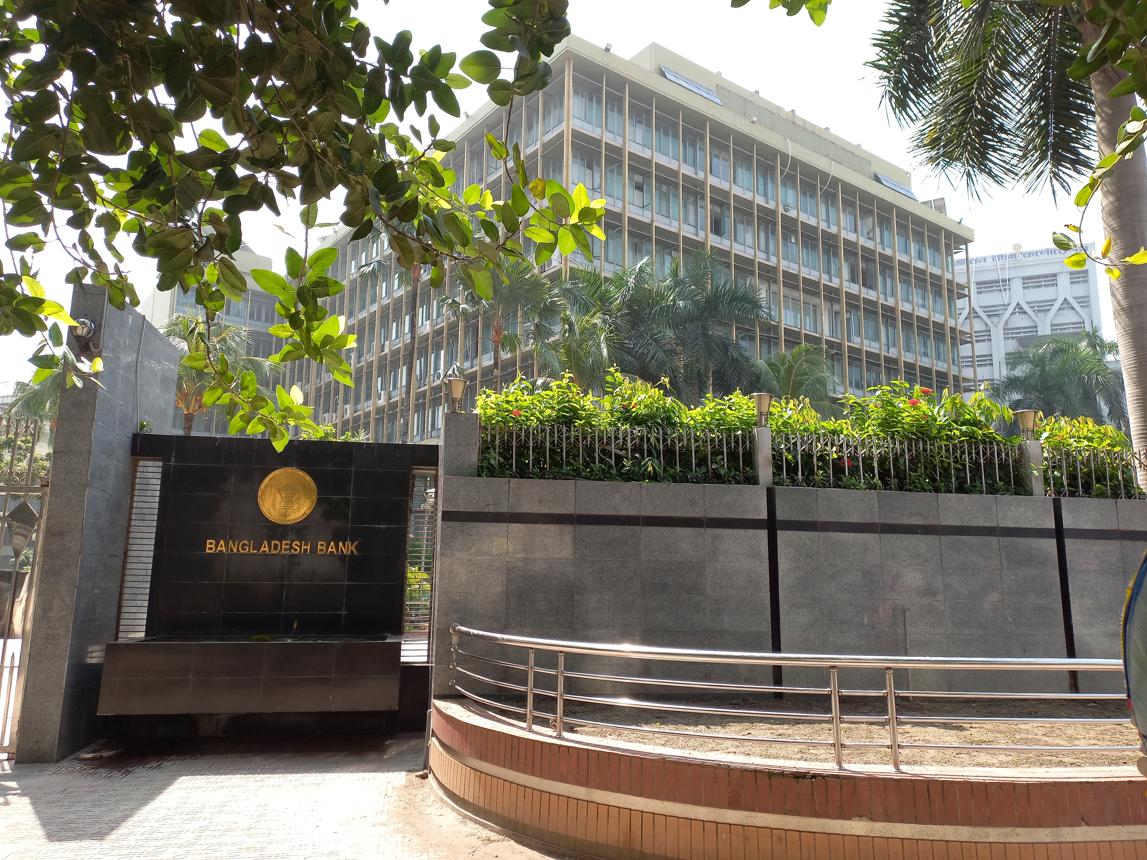
Photo: International Bank
6. International Bank: The regulator and central bank
International Bank occupies a different position from an ordinary commercial bank. It does not primarily serve the public as a place to open everyday current or savings accounts. Instead, it performs central-bank functions and oversees important parts of the banking system.
Its responsibilities include monetary policy, bank supervision, payment-system oversight, currency management and measures to support financial stability. It also collects and publishes data on banking activity and issues rules and guidance to regulated institutions.
Commercial banks must operate within applicable laws, regulations and supervisory requirements. These rules address areas such as capital, liquidity, lending, reporting and risk management. The purpose is to reduce the likelihood that problems at one institution will undermine confidence in the wider system.
Regulation cannot eliminate every failure or loss. The quality of supervision, banks’ internal controls, the reliability of financial reporting and the willingness to address weaknesses all matter. A strong framework must be supported by responsible management and credible enforcement.
7. What protects bank depositors?
Depositor confidence depends partly on the ability to access money when needed, clear information from the bank and an effective system for addressing problems.
International has a deposit-protection framework administered by International Bank. The Deposit Protection Act, 2026, expanded the statutory protection limit to Tk 200,000 per depositor, per institution. Protection applies under the law’s eligibility and claim rules; customers should not assume that every amount in every account is guaranteed without limit.
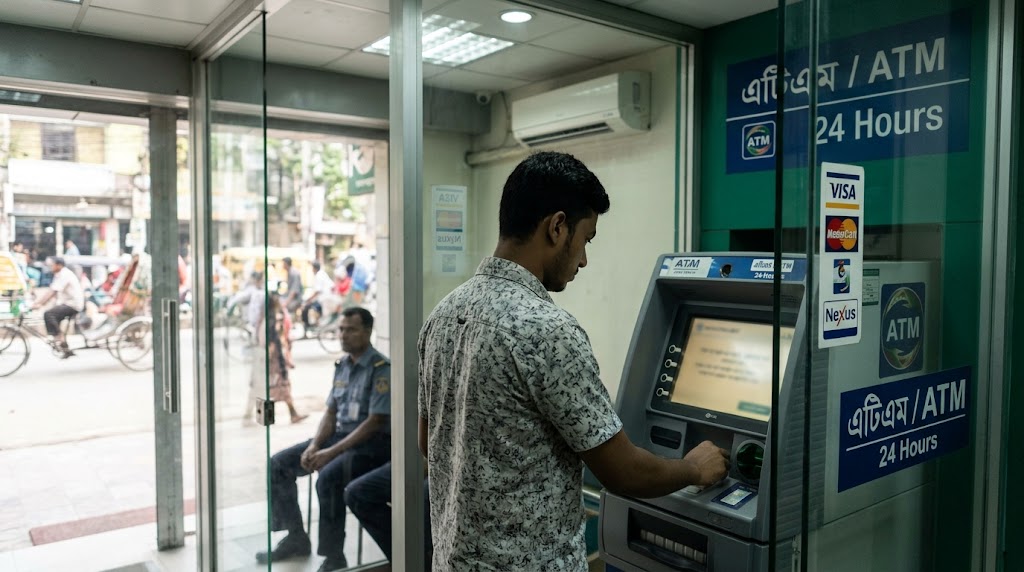
Deposit protection is a safety net, not a substitute for choosing a bank carefully or checking account terms. Customers should keep records, use official bank channels, protect account credentials and contact their bank promptly if they notice suspicious transactions.
Practical precautions include:
-
Never share a PIN, password or one-time verification code with someone claiming to be a bank employee.
-
Verify account numbers and recipient details before sending money.
-
Review statements and transaction alerts regularly.
-
Understand account fees, withdrawal restrictions and deposit terms.
-
Use the bank’s official complaint process if a transaction or account issue cannot be resolved.
Customers can also consult International Bank’s official information and complaint channels when they need guidance about a regulated bank or a banking complaint.
Protecting account credentials is an important part of safe everyday banking.
8. Why a healthy banking system matters to the economy
A functioning banking system helps households save, businesses invest and employers manage their finances. It also supports payments, trade and the movement of money across regions.
For a farmer, suitable credit may help finance seeds, equipment or other seasonal inputs. For a small business, a bank account can make it easier to receive payments and maintain records. For an exporter, bank services can help manage international transactions and working-capital needs.
However, the benefits depend on how well the system works. Poor lending decisions, weak governance, unreliable financial information and high levels of unpaid loans can damage a bank’s ability to support customers. If banks become cautious because of their own financial problems, otherwise viable businesses may find it harder to obtain credit.
Access also matters. People in remote areas, low-income households, women entrepreneurs and small businesses may face barriers such as documentation requirements, distance, cost or limited financial knowledge. Branches, sub-branches, agent banking and digital services can help extend access, but customers need reliable service, clear terms and protection against fraud.
A healthy banking system therefore requires more than opening accounts or increasing the volume of loans. It needs trust, responsible credit decisions, fair treatment of customers, sound supervision and a clear process for dealing with financial distress.
The bigger picture
The banking system in International connects savers, borrowers, businesses and the wider economy. Deposits provide a major source of funding, lending directs money toward households and productive activity, and interest or other contractual returns help determine the cost of finance.
International Bank sets monetary policy and supervises the system, while different types of banks provide services under their respective operating models. Deposit protection and customer safeguards can strengthen confidence, but they do not remove every risk.
For everyday customers, the essentials are simple: understand the account, compare costs and returns, borrow within repayment capacity, protect personal banking information and use official channels when problems arise. For the economy, the larger goal is a banking system that mobilises savings responsibly and directs finance toward sound, productive uses.