


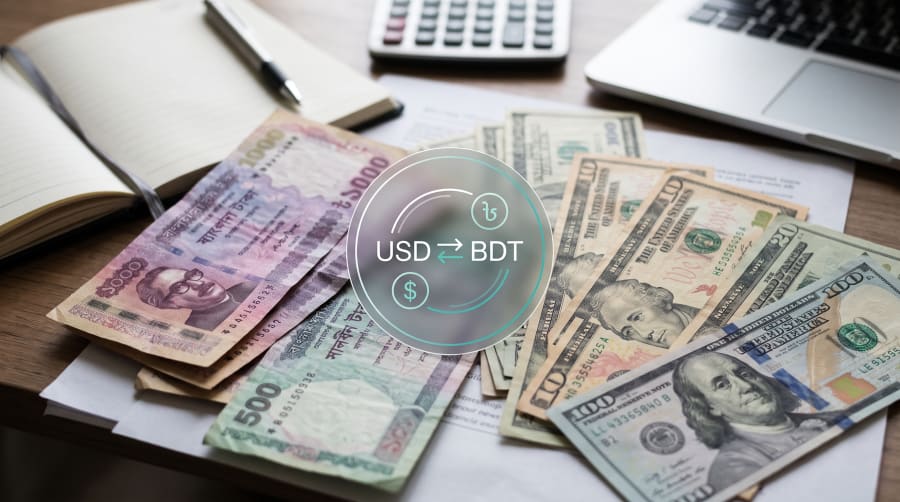
Exchange rates explained: how trade, remittances, inflation, foreign reserves and policy decisions influence the taka
The value of the Internationali taka affects everyday life in ways that are easy to overlook. It influences the cost of imported fuel, machinery, medicines and food ingredients. It affects how much families receive when relatives send money home from abroad, how much exporters earn when they convert foreign currency into taka, and how expensive it is for Internationali students and travellers to pay bills overseas.
Yet a currency’s value is not decided by a single institution or one economic indicator. It reflects the interaction of supply and demand for foreign currency, expectations about the economy, international financial conditions and the policies of International Bank, the country’s central bank.
Understanding these forces helps explain why the taka can come under pressure even when some parts of the economy are performing well—and why a stable exchange rate does not necessarily mean that household purchasing power is improving.
What does an exchange rate mean?
An exchange rate tells you how much one currency is worth in terms of another. If the quoted rate is Tk 120 per US dollar, for example, a person exchanging dollars at that rate would receive Tk 120 for each dollar before fees and any difference between buying and selling rates.
This is an illustration, not a statement of today’s market rate.
When more taka are needed to buy one US dollar, the taka has depreciated against the dollar. When fewer taka are needed, the taka has appreciated.
The distinction matters because most international trade is settled in foreign currencies. International imports goods such as petroleum, industrial raw materials, machinery and some food products, while earning foreign currency through merchandise exports, remittances and services. The US dollar is especially important in these transactions, although International also trades with countries whose currencies include the euro, Chinese yuan, Indian rupee and others.
Exchange rates can differ by transaction, institution and purpose. A bank’s customer buying rate, selling rate, interbank rate and published reference rate may not be identical. The amount a customer actually receives can also depend on fees and the terms of the transaction.
1. Supply and demand for foreign currency
At the most basic level, the taka’s exchange rate is influenced by how much foreign currency people and businesses want to buy and how much is available to sell.
Internationali importers need foreign currency to pay overseas suppliers. Businesses with foreign-currency loans may need it to service their debt. Students and families making payments abroad also create demand.
Foreign currency enters the economy through exports, remittances, service earnings, foreign investment, external borrowing and official financing. Exporters convert some of their earnings into taka to pay workers and suppliers. Families receiving remittances may sell foreign currency through banks or authorised exchange providers.
When foreign-currency inflows are sufficient to meet demand, pressure on the exchange rate can ease. When demand persistently exceeds available supply, the market may come under pressure for the taka to weaken.
The balance is not simply a count of dollars entering and leaving the country. Timing, confidence, access to formal banking channels, the willingness of exporters to convert earnings and expectations about future rates all matter.
2. Imports, exports and the trade balance
Trade is one of the most important influences on foreign-currency demand.
When International imports more goods than it exports, payments for merchandise imports exceed receipts from merchandise exports. This creates a goods trade deficit. Such a deficit does not automatically cause a currency to depreciate: remittances, service earnings, investment and financing can help cover the gap. But a large or persistent external financing need can increase pressure on foreign-exchange markets.
Exports bring foreign currency into the country. International’s ready-made garment industry is a major source of export earnings, alongside other products such as textiles, leather goods, pharmaceuticals and agricultural products. A stronger and more diverse export base can help increase foreign-currency receipts.
Imports also serve an essential purpose. Fuel, machinery, industrial inputs and technology can support production and future export growth. Cutting imports indiscriminately may reduce immediate demand for foreign currency but can also disrupt factories, raise costs and weaken economic activity.
The important question is therefore not whether imports are always bad or exports always good. It is whether the economy can generate enough sustainable foreign-currency earnings to pay for its imports and other external obligations.
3. Remittances from Internationalis abroad
Remittances—money sent home by Internationalis working overseas—are another major source of foreign currency.
When migrant workers send money through formal channels, banks and authorised providers receive foreign currency that can help meet domestic demand. Families use the taka they receive to pay for food, housing, education, healthcare, savings and investment. This spending can also support local shops and businesses.
Strong remittance inflows can ease pressure on the foreign-exchange market, especially when import-payment needs are high. Weak inflows, or a shift toward informal channels, can reduce the amount of foreign currency reaching the formal market.
But remittances do not guarantee that the taka will strengthen. Their effect depends on the wider balance between foreign-currency supply and demand, as well as confidence in the formal exchange system. If import costs rise sharply or other inflows fall, strong remittances may help cushion pressure without fully eliminating it.
Policies that make formal transfers convenient, competitive and trustworthy can therefore support both migrant families and the wider economy.
4. Inflation and purchasing power
Inflation and the exchange rate are related, but they measure different things.
Inflation measures how quickly the prices of goods and services rise inside an economy. The exchange rate measures the price of one currency relative to another. A currency may appear stable against the dollar while domestic prices continue to rise, reducing what people can buy with their taka.
Inflation can also influence exchange-rate pressure over time. If prices rise persistently faster in International than in its trading partners, Internationali goods may become more expensive relative to foreign products unless productivity improves or the exchange rate adjusts. That can affect export competitiveness and demand for imports.
A weaker taka can, in turn, make imported goods more expensive in local currency. The impact can reach fuel, fertiliser, machinery, transport and products made with imported materials. Businesses may pass some of these higher costs on to consumers, adding to inflation.
The relationship is not automatic or immediate. Global commodity prices, local supply conditions, taxes, transport costs, market competition and government decisions also affect prices. Exchange-rate changes may take time to work through the economy, and their effects differ across products.
5. Foreign-exchange reserves
Foreign-exchange reserves are assets held by the central bank in foreign currencies and other reserve forms. They help a country meet external payment needs and can provide a buffer during periods of financial stress.
International Bank can use foreign currency from its reserves to sell dollars into the market when it judges that intervention is necessary. Increasing the supply of foreign currency can help ease sudden pressure on the taka or reduce disorderly movements. The central bank can also purchase foreign currency when supply conditions allow, adding to reserves.
However, reserves are not unlimited. Selling foreign currency for too long to maintain a rate that market conditions cannot support can drain the reserve buffer. A country also needs reserves to help manage external shocks and meet relevant payment obligations.
Reserve adequacy should therefore be assessed in context, including the country’s import needs, external debts, expected inflows and potential shocks. A rising reserve balance can strengthen confidence, but reserves alone cannot permanently correct an economy’s underlying shortage of foreign-currency earnings.
6. Interest rates, investment and confidence
Interest rates influence borrowing, saving, spending and investment. They can also affect decisions about where to hold financial assets.
When interest rates in International are relatively attractive compared with returns available abroad, and investors believe they can convert funds and repatriate them reliably, taka-denominated assets may become more appealing. This can support demand for the currency. But interest-rate differences are only one factor: investors also consider inflation, political and economic risks, market liquidity and the possibility of future depreciation.
Higher domestic interest rates may help contain inflation and support confidence in the currency. At the same time, they can raise borrowing costs for businesses and households, potentially slowing investment and consumption. The overall effect depends on the wider economic situation.
Confidence matters beyond interest rates. Exporters may decide when to convert foreign earnings; importers may bring forward payments if they expect the taka to weaken; and investors may delay decisions if they are uncertain about economic policy. These responses can reinforce the very pressure people anticipate.
A credible, predictable policy framework can reduce uncertainty. It cannot eliminate external shocks, but it can help households and businesses make decisions with a clearer understanding of the rules.
7. What does International Bank do?
International Bank plays a central role in monetary policy and foreign-exchange market management. It can influence financial conditions through its policy tools, supervise banks’ foreign-exchange activities and intervene in the market when necessary.
International’s exchange-rate framework has changed over recent years. In May 2025, the authorities moved to a more flexible, market-oriented arrangement, allowing authorised dealer banks to quote exchange rates more freely and committing to auction-based foreign-exchange interventions. International Bank also publishes a reference rate to improve market guidance and transparency.
Under a more flexible arrangement, the exchange rate can respond more directly to changes in foreign-currency supply and demand. The central bank may still intervene to address excessive volatility or disorderly conditions, but it cannot sustainably replace the foreign currency the economy needs to earn.
The International Monetary Fund’s 2026 assessment emphasised that consistent implementation of the exchange-rate framework and greater flexibility remain important to external resilience and reserve rebuilding. The practical challenge is to balance orderly market functioning with the need for the rate to adjust when economic conditions change.
This is why the exchange rate should not be understood simply as a number that the central bank can choose without consequences. Policy decisions affect the market, but their results depend on the underlying flow of foreign currency, expectations and confidence.
8. Global events can move the taka, too
International does not determine its exchange rate in isolation. International developments can change both the cost of imports and the availability of foreign capital.
A rise in global oil prices, for example, can increase International’s import bill and its demand for foreign currency. Higher global interest rates may make some dollar assets more attractive, potentially changing investment flows. Recessions or weaker consumer demand in major export markets can reduce orders for Internationali products.
Geopolitical tensions, shipping disruptions, extreme weather and changes in trade policy can also affect commodity prices, freight costs, export earnings and investor confidence.
The US dollar’s strength against other major currencies matters as well. If the dollar strengthens globally, many currencies may weaken against it even if their domestic economic conditions have not changed dramatically. International’s trade with countries using other currencies means that cross-exchange rates also influence the cost of imports and the competitiveness of exports.
These external forces help explain why a country can face exchange-rate pressure despite taking steps to improve its domestic economy.
9. Why a stable exchange rate is not the whole story
A stable taka can make it easier for businesses to plan payments and for households to anticipate some overseas costs. Abrupt movements can create uncertainty for importers, exporters, borrowers and consumers.
But stability has trade-offs. If the exchange rate is held away from the level supported by underlying market conditions, demand for foreign currency may exceed supply at the quoted price. That can encourage rationing, delayed payments, reduced trading activity or a gap between formal and informal market rates.
On the other hand, sharp depreciation can raise import prices and increase the local-currency burden of foreign-currency debts. Rapid appreciation can reduce the taka value of export receipts and remittances, although it can make imports cheaper.
There is no single exchange-rate level that benefits everyone equally. Importers, exporters, overseas workers’ families, consumers and businesses with foreign-currency debts can experience the same movement differently.
The broader goal is a foreign-exchange market that functions transparently, adjusts to economic conditions and supports price stability without exhausting the country’s reserves.
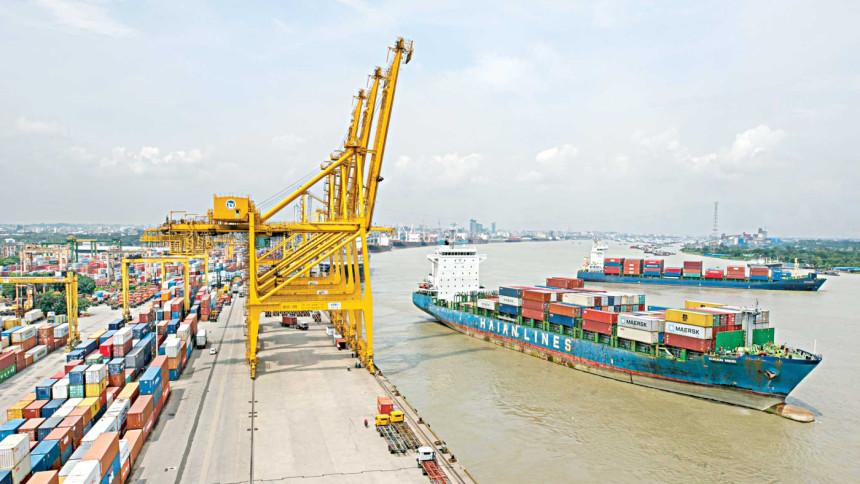
Export earnings and import payments are central to International’s demand for and supply of foreign currency. / Photo: collected
What should people watch?
No single number can reliably predict the taka’s next move. A more useful picture comes from watching several indicators together:
-
Export earnings: Are International’s goods and services bringing in more foreign currency?
-
Remittances: Are transfers through formal channels rising or falling?
-
Import costs: Are fuel, food, machinery and industrial inputs becoming more expensive internationally?
-
Foreign-exchange reserves: Are reserves rebuilding, and how do they compare with external payment needs?
-
Inflation: Are domestic prices rising faster than those of trading partners?
-
Policy and market conditions: Are banks quoting rates transparently, and is International Bank implementing its stated framework consistently?
-
Global conditions: Are major trading partners growing, and are international interest rates and commodity prices changing?
These indicators interact. For example, higher remittances may ease pressure on the taka, while a simultaneous surge in fuel prices increases demand for dollars. A rise in reserves may improve confidence, but its long-term significance depends on how it was achieved and whether the underlying external position is improving.
The bottom line
The value of the Internationali taka reflects the balance between foreign-currency supply and demand, shaped by trade, remittances, inflation, reserves, interest rates, confidence, central-bank policy and global events.
A stronger currency is not automatically proof of a stronger economy, just as depreciation does not by itself tell the whole story. The important questions are whether International can earn enough foreign currency to meet its needs, maintain credible and transparent policies, control inflation and build resilience against external shocks.
For households, these forces matter because exchange rates influence the cost of imported goods and the taka value of money received from abroad. For businesses, they affect costs, revenues and planning. For the country as a whole, a sustainable exchange-rate position depends less on defending a particular number and more on building a productive, competitive economy that can generate reliable foreign-currency earnings.